How Long Do Solar Panel Batteries Last – Complete Guide
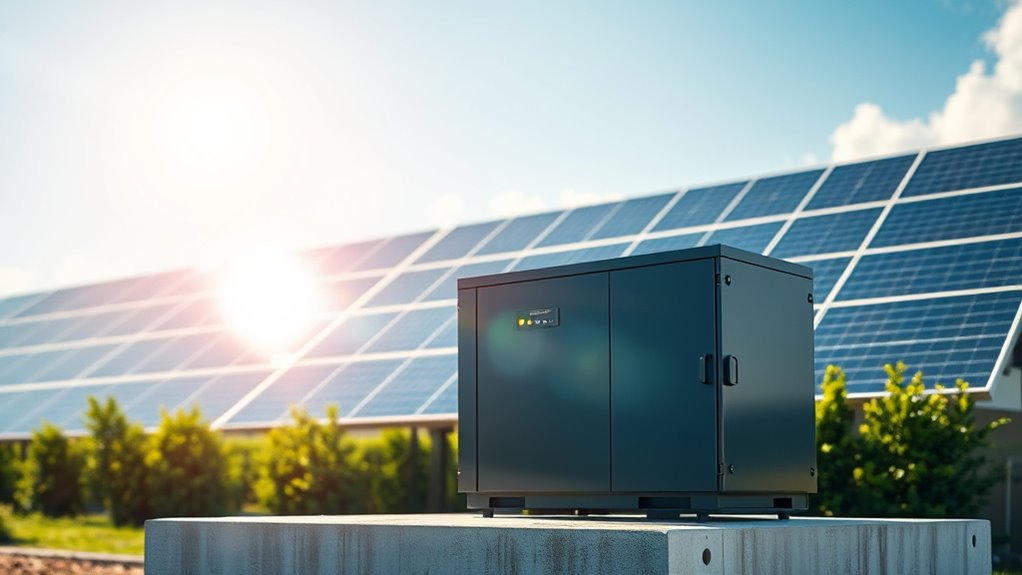
You can expect your solar panel batteries to last between 5 and 15 years, depending on the type you choose and how you use them. Solar panel batteries are a key part of your renewable energy system, storing the power you generate for later use.
Lead-acid batteries usually last around 5 to 7 years, while lithium-ion models can go 10 to 15 years with proper care.
Environmental factors like temperature and humidity, plus how often you charge or discharge the battery, also affect its lifespan.
To get the most from your system, it’s important to recognize signs of wear and follow maintenance tips.
Don’t worry, you’ll discover those helpful tips next to keep your solar panel batteries running smoothly for years to come.
Key Takeaways
- Solar panel batteries typically last between 5 to 15 years, depending on the type and how you use them.
- For example, lead-acid batteries usually last about 5-7 years. On the other hand, lithium-ion batteries can go for 10-15 years.
- The lifespan of a battery really depends on its chemistry, the environment it’s in, and how often you charge and discharge it.
- Keep an eye out for signs that your battery might need replacing. These include rapid energy loss, swelling, corrosion, or if you start having frequent power outages.
- To make your battery last longer, do some proper maintenance. Avoid deep discharges and use quality controllers to keep everything running smoothly.
Which Types of Solar Batteries Should You Choose?
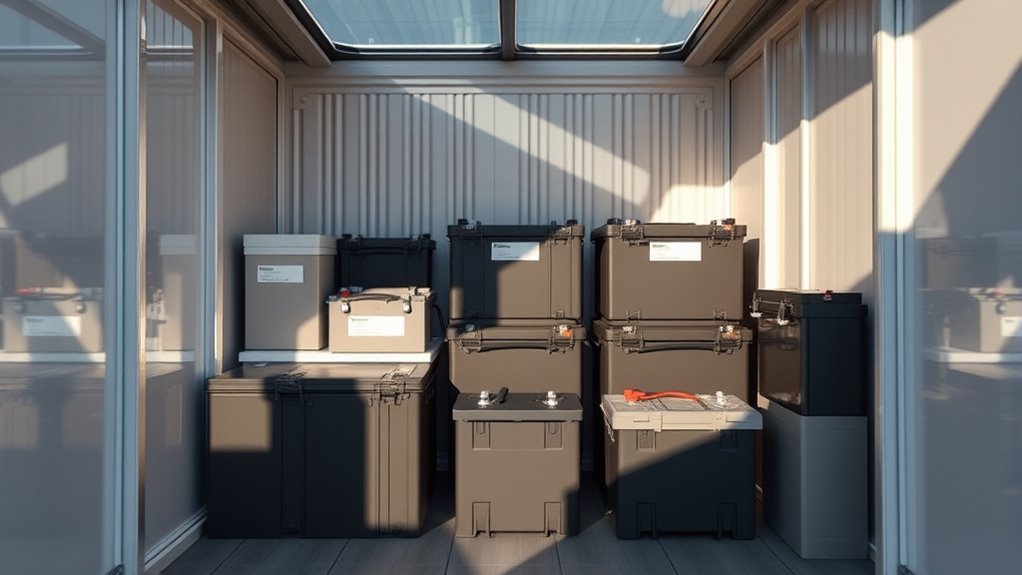
When choosing solar batteries, you’ll find several types designed to meet different needs and budgets. The most common options are lead-acid and lithium-ion batteries.
Lead-acid batteries are affordable and reliable but tend to be heavier and have shorter lifespans. You’ll often find them in off-grid or backup systems.
Lead-acid batteries offer affordability and reliability, though they are heavier and have shorter lifespans.
Lithium-ion batteries, on the other hand, offer higher energy density, longer cycles, and lighter weight. They’re ideal if you want efficiency and space-saving benefits.
There are also newer options like saltwater batteries, which are eco-friendly but less common.
Ultimately, your choice depends on how much energy storage you need, your budget, and whether you prioritize longevity or upfront cost. Understanding these types helps you pick the right battery for your solar setup.
What Factors Affect Solar Battery Lifespan?
You’ll find that the type of battery chemistry you choose plays a big role in how long your solar battery lasts. Environmental conditions like temperature and humidity also impact its lifespan.
Understanding these factors helps you make smarter decisions for your solar setup. It’s all about getting the most out of your investment!
Battery Chemistry Types
Although many factors influence how long your solar panel batteries last, the type of battery chemistry plays a crucial role. Different chemistries offer varying lifespans, efficiency, and maintenance needs.
For example, lead-acid batteries are common and affordable but typically last 3 to 5 years. Lithium-ion batteries, on the other hand, provide longer lifespans—often 10 years or more—and higher energy density. This makes them more efficient and space-saving.
You’ll also find newer options like lithium iron phosphate (LiFePO4), known for safety and durability. Each chemistry handles charge cycles differently, which affects how quickly the battery wears out.
Choosing the right type depends on your budget, space, and how often you use your solar system. Understanding these differences helps you maximize your battery’s lifespan and overall performance.
Environmental Conditions
Since solar panel batteries operate in various environments, their lifespan depends heavily on surrounding conditions. You’ll find that factors like temperature, humidity, and exposure to elements can make or break your battery’s longevity.
Extreme heat accelerates chemical reactions inside, causing faster degradation, while freezing temperatures might reduce performance temporarily. High humidity can lead to corrosion, damaging your battery’s internal components.
Here’s how these conditions affect your battery’s life:
| Condition | Impact on Battery | Emotion Triggered |
|---|---|---|
| High Heat | Speeds up degradation | Frustration over loss |
| Freezing Cold | Reduces efficiency temporarily | Concern for performance |
| High Humidity | Causes corrosion | Anxiety about damage |
Understanding these helps you protect your investment better. It’s all about knowing what your battery goes through, so you can take steps to keep it running longer.
How Long Do Solar Batteries Typically Last?
When you invest in solar batteries, understanding their typical lifespan helps you plan for maintenance and replacements. Most solar batteries last between 5 to 15 years, depending on the type you choose.
Lead-acid batteries usually last around 5 to 7 years, while lithium-ion batteries can last up to 10 to 15 years. Your battery’s lifespan also depends on how often you cycle it—meaning how frequently it charges and discharges.
The more cycles it handles, the sooner it will wear out. Proper usage and regular maintenance can maximize its life. Keep in mind that battery technology continues to improve, so newer models often last longer than older ones.
Knowing these factors helps you make informed decisions and manage your solar power system effectively.
How Can You Tell When Your Solar Battery Needs Replacing?
If your solar battery no longer holds a full charge or drains quickly, it’s a clear sign you might need a replacement. You should also watch for physical signs like swelling or corrosion.
Frequent power outages or unexpected drops in stored energy indicate the battery’s health is declining. Monitoring your battery’s voltage and capacity regularly helps spot problems early.
| Sign | What It Means | Action to Take |
|---|---|---|
| Rapid battery drain | Capacity loss | Consider replacement |
| Physical damage (swelling) | Internal damage | Stop using immediately |
| Voltage below recommended | Battery not charging properly | Test & evaluate health |
Keep an eye on these signs to avoid sudden power failures. It’s better to catch issues early than be left in the dark!
Tips to Make Your Solar Battery Last Longer
Although solar batteries are designed to be durable, you can extend their lifespan considerably by following a few simple maintenance and usage practices. First, avoid completely draining your battery; try to keep its charge between 20% and 80%.
Regularly check the battery terminals for corrosion and clean them if needed to maintain good connections. Keep your battery in a cool, dry place since high temperatures can degrade its performance.
Inspect battery terminals for corrosion and store in a cool, dry place to preserve performance.
Use a quality charge controller to prevent overcharging and deep discharging. Monitor your battery’s health through your system’s app or monitoring tools, catching issues early.
Finally, avoid exposing your battery to extreme weather conditions. By taking these steps, you’ll help your solar battery stay efficient and reliable for years to come.
What to Expect When Replacing Solar Batteries
Since solar batteries gradually lose capacity over time, you’ll eventually need to replace them to maintain your system’s efficiency. When that time comes, expect a straightforward process, but one that requires planning.
Start by evaluating your current battery’s size and type to find a compatible replacement. You might even upgrade to newer models with better performance or longer lifespans.
Installation can often be done by a professional or, if you’re comfortable, by yourself following safety guidelines. Just make sure you take your time and do it right.
Keep in mind that disposing of old batteries properly is essential due to environmental concerns. Don’t just toss them in the trash!
Finally, after replacement, monitor your system closely to guarantee everything runs smoothly. That way, your solar setup continues to provide reliable energy for years to come.
Frequently Asked Questions
Can Solar Batteries Be Recycled After Their Lifespan Ends?
Yes, you can recycle solar batteries after their lifespan ends. Many facilities specialize in safely recovering valuable materials, helping reduce environmental impact.
Just make sure to find a certified recycler to handle your batteries properly and responsibly. It’s the best way to ensure everything is done right.
How Do Temperature Extremes Impact Solar Battery Performance?
You’ll notice solar batteries lose about 20% capacity if exposed to extreme heat above 95°F regularly. That kind of heat really takes a toll on them.
Cold temperatures slow chemical reactions, reducing performance too. So, it’s not just the heat you have to worry about.
Keeping your battery at moderate temperatures helps it stay efficient for longer. It’s all about finding that sweet spot!
Are Solar Batteries Safe to Install Indoors?
Yes, you can install solar batteries indoors, but you’ll need proper ventilation and temperature control to avoid overheating.
It’s important to follow manufacturer guidelines and local regulations to keep your system safe and efficient.
Doing this helps make sure everything runs smoothly and your batteries last longer.
What Are the Environmental Benefits of Using Solar Batteries?
You’ll reduce pollution by a millionfold using solar batteries—they store clean energy, cut fossil fuel use, and lower greenhouse gases.
Plus, you’ll help conserve resources and promote a greener, healthier planet for everyone’s future.
How Does Solar Battery Maintenance Differ by Battery Type?
You’ll find lead-acid batteries need regular water checks and cleaning, while lithium-ion ones require minimal upkeep. Flow batteries demand monitoring electrolyte levels.
Each type’s maintenance varies, so follow specific guidelines to keep your system efficient. It’s not one-size-fits-all, so getting familiar with your battery type really pays off.
Conclusion
Choosing the right solar battery and understanding its lifespan can save you money and hassle. You might worry about frequent replacements, but with proper care, most solar batteries last 5 to 15 years.
By monitoring your battery’s health and following simple maintenance tips, you’ll get the most out of your investment. Don’t let concerns hold you back—solar batteries are a reliable way to power your home sustainably for years to come.
In fact, knowing how long solar panel batteries last helps you plan better for your energy needs. With the right battery, you can enjoy consistent, eco-friendly power without the stress of constant replacements. So, invest in quality solar batteries and keep them well-maintained to maximize their lifespan and efficiency. That way, your home stays powered by clean energy for a long time, saving you money and reducing your carbon footprint.