How to Power My Whole House With Solar Energy
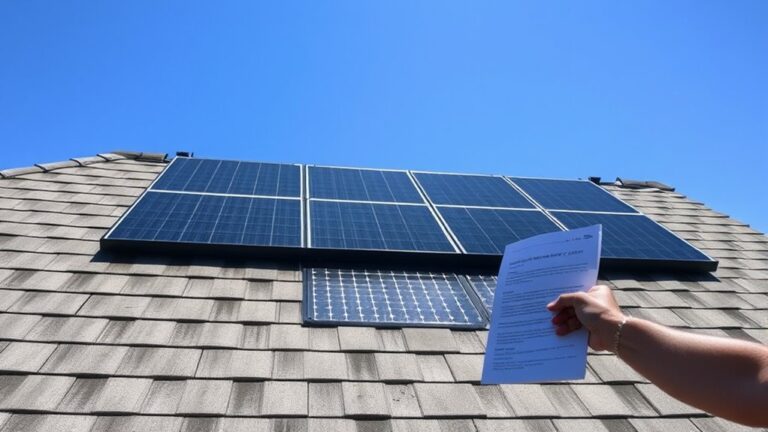
To power your whole house with solar energy, start by checking your monthly electricity use and local sunlight hours to size your system accurately.
Understanding your energy consumption helps you pick the right solar panels and overall setup. Efficient panels like monocrystalline work best for maximizing energy output.
Factor in system losses and any future energy needs you might have. It’s also important to consider costs upfront. But don’t worry, there are federal and state incentives that can help you save money on your solar installation.
Plan your installation carefully by looking at your roof’s layout and your energy goals. Good planning makes a big difference in how well your system performs.
Plus, having proper storage and regular maintenance will keep your solar setup running smoothly for years to come.
Keep exploring each step in detail to make the most of your solar energy system. It’s a smart way to power your home sustainably and save on electricity bills!
Key Takeaways
– Calculate your average monthly energy use and local sunlight hours to figure out the solar system capacity you’ll need.
This step helps you understand how big your setup should be to power your whole house efficiently.
– Choose efficient solar panels and compatible inverters based on your budget and energy goals.
Picking the right equipment makes a big difference in how well your system performs and how much you’ll spend.
– Factor in installation costs, permits, and available federal or state incentives to reduce upfront expenses.
These can really help lower the initial price, so be sure to check what’s available in your area.
– Assess your roof’s size, orientation, shading, and condition to optimize panel placement and performance.
Making sure your panels get the best sunlight possible will boost your energy output.
– Install a battery storage system for energy backup and maintain panels regularly for long-term efficiency.
Having a battery means you’ll have power even when the sun isn’t shining, and keeping your panels clean helps them last longer.
How to Calculate Your Home’s Solar Power Needs
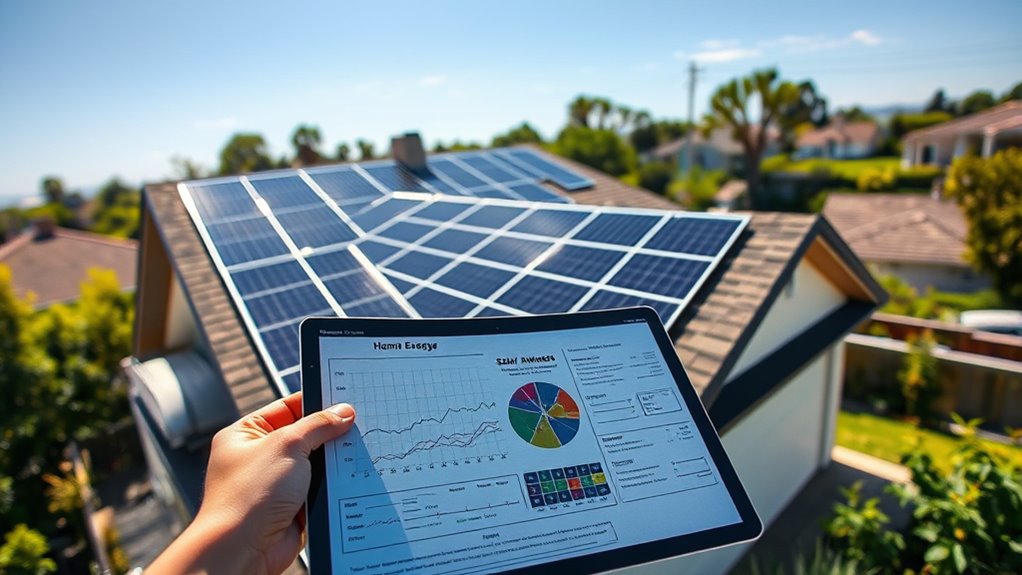
To calculate your home’s solar power needs, start by reviewing your electricity bills to find your average monthly energy consumption in kilowatt-hours (kWh). This number shows how much power your household uses and sets a baseline for your solar system’s size.
Next, think about your location’s average daily sunlight hours—this affects how much energy your panels can generate each day. Divide your average daily energy use by the average sunlight hours to estimate the kilowatt capacity your solar system requires.
Don’t forget to factor in system losses, usually around 10-20%, due to inefficiencies. It’s also a good idea to add a margin for future energy use or expansion.
How to Choose the Right Solar Panels and Equipment
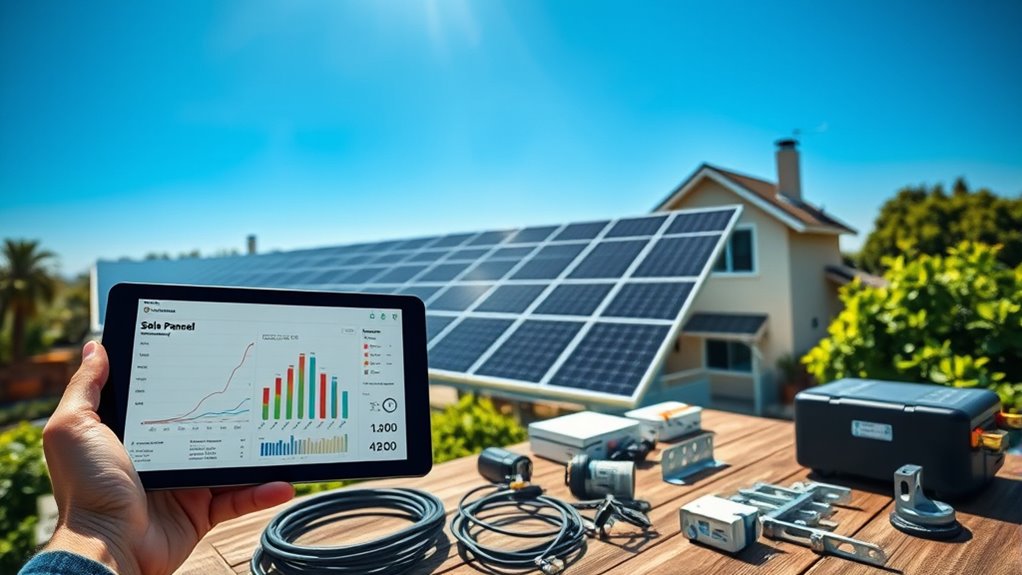
You’ll need to pick the right type of solar panels to match your energy goals and budget, whether that’s monocrystalline, polycrystalline, or thin-film.
Beyond panels, essential components like inverters, mounting systems, and batteries play a big role in system performance.
Understanding these options helps you build an efficient setup that powers your whole house effectively.
Solar Panel Types
Choosing the right solar panels and equipment can make a big difference in how efficiently your system powers your home. You’ll mainly encounter three types: monocrystalline, polycrystalline, and thin-film panels.
Monocrystalline panels offer the highest efficiency and durability, making them ideal if you have limited roof space. Polycrystalline panels cost less but are slightly less efficient, suitable if you have ample space and want to save upfront.
Thin-film panels are lightweight and flexible but generally less efficient and degrade faster. This makes them better for specific applications, not whole-house setups.
Consider your budget, roof size, and energy goals when selecting panel types. Picking the right panels upfront guarantees you maximize energy production and long-term savings.
Essential System Components
Selecting the right solar panels is just one part of building an effective system. You’ll also need inverters to convert DC to AC power, mounting hardware to secure the panels, and a battery bank if you want energy storage.
Choosing quality components guarantees efficiency and durability. Here’s a quick comparison of essential equipment attributes to contemplate:
| Component | Key Considerations |
|---|---|
| Solar Panels | Efficiency, durability, warranty |
| Inverters | Type (string/micro), efficiency |
| Mounting System | Compatibility, weather resistance |
| Battery Bank | Capacity, chemistry, lifespan |
| Charge Controller | Type (MPPT/PWM), reliability |
Make sure each part matches your energy needs and climate conditions. Proper selection helps maximize your system’s lifespan and performance.
What Solar Costs and Incentives Mean for You
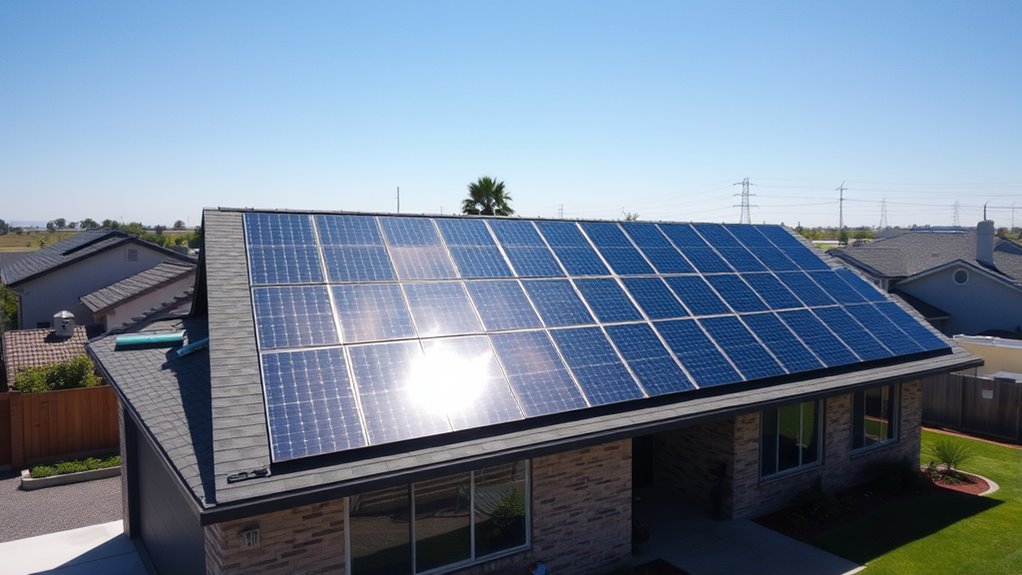
You’ll want to understand the upfront costs of installing solar panels and how they fit into your budget.
Luckily, there are financial incentives that can substantially reduce your expenses.
Let’s explore what options are available to help make solar energy more affordable for you.
Understanding Solar Installation Costs
Although the upfront cost of installing solar panels can seem high, understanding the breakdown of expenses and available incentives helps you see the true value. Your main costs include the solar panels themselves, inverters, mounting hardware, and labor.
Installation complexity—like roof type and system size—also affects the price. Don’t forget additional expenses such as permits, inspections, and possible upgrades to your electrical system.
While these costs add up, solar panels typically pay for themselves over time through reduced energy bills. Knowing what goes into the price helps you make informed decisions and avoid surprises.
Exploring Available Financial Incentives
Several financial incentives can substantially lower the cost of installing solar panels on your home. You can take advantage of federal tax credits, state rebates, and local utility programs that reduce your upfront expenses and speed up your return on investment.
Understanding these incentives helps you maximize your savings and makes solar power more affordable.
| Incentive Type | Benefit |
|---|---|
| Federal Tax Credit | Deducts 30% of system cost |
| State Rebates | Varies by state, directly reduces price |
| Utility Programs | May include net metering or cash rebates |
Be sure to check your eligibility for these programs before installation to get the best deal. Combining these incentives can really lower your total solar costs.
How to Plan Your Solar Power Installation
Before installing solar panels, you need to assess your home’s energy needs and available space carefully. Start by reviewing your utility bills to determine your average monthly electricity consumption.
Begin your solar journey by analyzing your home’s energy use and available installation space thoroughly.
Next, evaluate your roof’s size, orientation, and shading to figure out the best panel layout. Consider factors like roof condition and local building codes.
Once you have this data, calculate how many panels you’ll need to cover your energy use. Choose high-quality panels and inverters that suit your budget and efficiency goals.
Also, plan for proper wiring and mounting hardware. Finally, consult with a licensed solar installer to confirm your design complies with regulations and maximizes performance.
Taking these steps helps you create a solid plan for a smooth, efficient solar power installation. It’s all about being prepared and making sure everything fits just right.
How to Store Solar Energy for Continuous Home Power
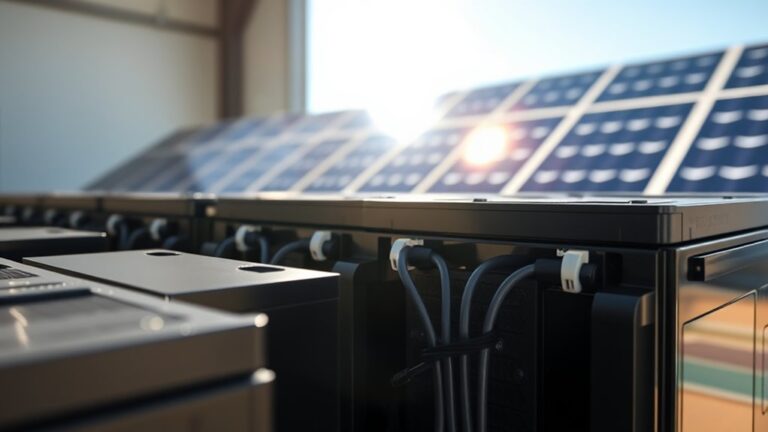
Since solar panels only generate electricity when the sun is shining, you’ll need a reliable way to store that energy for use during nighttime or cloudy days. The most common solution is a home battery system, which stores excess power generated during the day and releases it when solar production drops.
Lithium-ion batteries are popular due to their efficiency, longevity, and compact size. You’ll want to size your battery bank based on your household’s energy needs and how long you want backup power to last.
Additionally, integrating an energy management system helps optimize battery use, ensuring you draw power efficiently. By investing in proper energy storage, you’ll enjoy continuous, clean power without relying solely on the grid, making your solar setup truly self-sufficient.
How to Maintain and Maximize Your Solar Power System
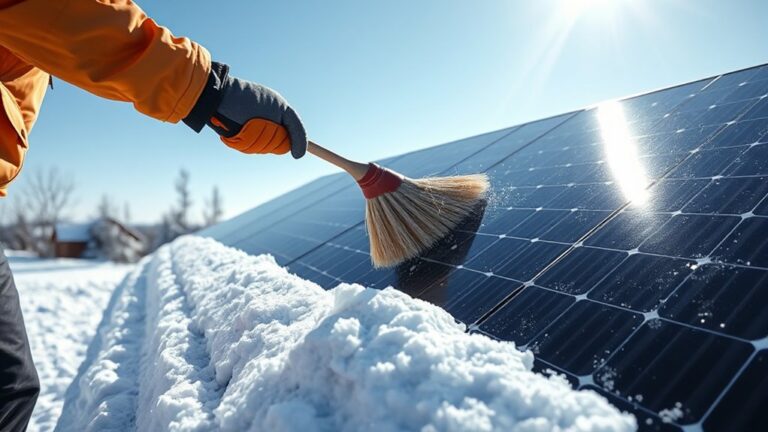
To get the most out of your solar power system, you need to perform regular maintenance and optimize its performance. Start by cleaning your panels monthly to remove dirt and debris that reduce efficiency.
Also, keep an eye out for shading caused by new growth or structures. It’s a good idea to inspect wiring and connections regularly to catch any wear or damage early.
Using monitoring software can really help you track energy output and spot issues before they become big problems. And don’t forget to schedule professional inspections yearly to make sure everything runs smoothly.
| Task | Frequency | Tips |
|---|---|---|
| Panel Cleaning | Monthly | Use soft water and a sponge |
| Shading Check | Quarterly | Trim trees blocking sunlight |
| Wiring Inspection | Biannually | Look for corrosion or wear |
| System Monitoring | Continuous | Use apps to track performance |
Frequently Asked Questions
Can I Connect My Solar System to the Grid for Backup Power?
Yes, you can connect your solar system to the grid for backup power. This setup is called a grid-tied system with battery storage.
It lets you use solar energy and draw from the grid when needed, so you always have continuous power. Pretty handy, right?
How Do Weather Conditions Affect Solar Panel Efficiency?
Cloudy days gently dim your solar panels’ sparkle, reducing their efficiency. Rain and snow can block sunlight, making it harder for your panels to soak up energy.
Extreme heat can also make them less efficient. But don’t worry, your panels keep working, just at varying strengths depending on the weather.
Are There Any Safety Concerns With Home Solar Power Systems?
Yes, you should be aware of electrical hazards, fire risks, and proper installation requirements. Always use certified equipment and hire qualified professionals to guarantee your solar system is safe and compliant with local codes and regulations.
It’s really important to follow these steps to keep your home and family safe. Plus, making sure everything is up to code can save you a lot of trouble down the road. So, don’t skip on quality or expertise!
Can Solar Power Increase My Home’s Resale Value?
Yes, solar power can increase your home’s resale value because buyers appreciate energy savings and eco-friendliness.
You’ll likely attract more offers and sell faster, especially if your system is well-maintained and includes warranties.
It just makes your home more appealing overall!
What Is the Environmental Impact of Manufacturing Solar Panels?
You’ll see mining, energy use, and waste during manufacturing. You’ll witness emissions, resource consumption, and chemical use.
But you’ll also reduce fossil fuel reliance, cut greenhouse gases, and support cleaner energy when you choose solar panels. It’s a trade-off, but one that leans toward a greener future.
Conclusion
By now, you’ve seen how calculating your needs, choosing the right panels, and planning carefully all come together to power your whole house with solar energy.
It’s no coincidence that understanding costs and incentives helps you save, while proper storage and maintenance keep your system running smoothly.
When you connect these steps, you’re not just installing solar panels—you’re creating a sustainable future, one sunny day at a time.
Powering your entire home with solar energy means embracing a cleaner, more efficient lifestyle. With the right setup, you can reduce your electricity bills and lower your carbon footprint. Plus, taking advantage of available incentives makes the switch even more affordable. Remember, maintaining your solar system ensures it performs at its best for years to come. So, by planning carefully and investing in quality components, you’re turning sunlight into savings and sustainability every single day.